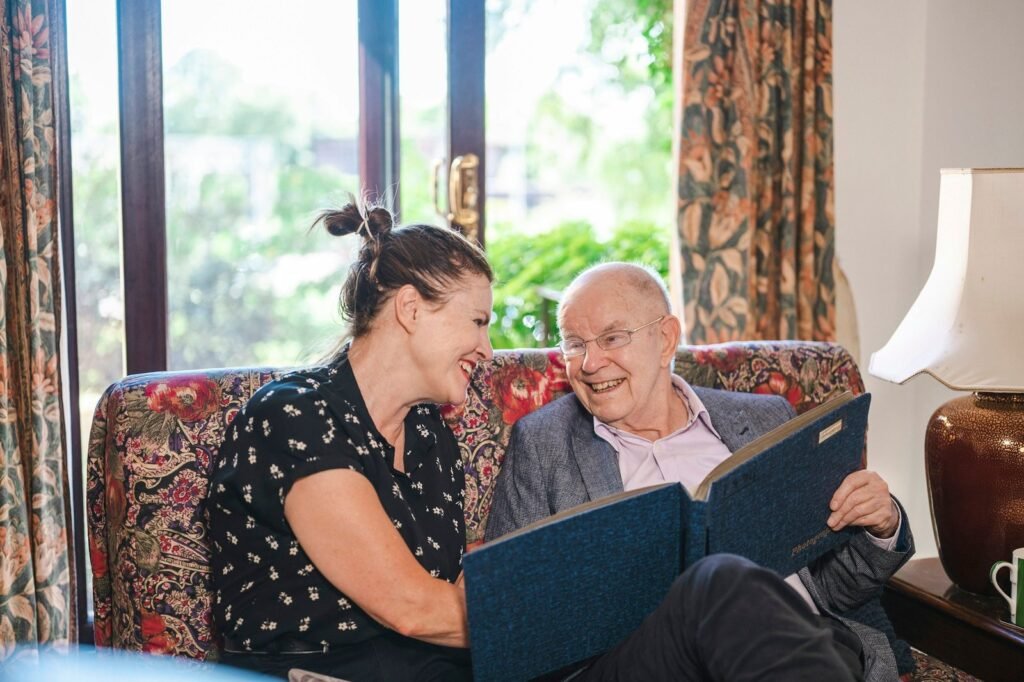
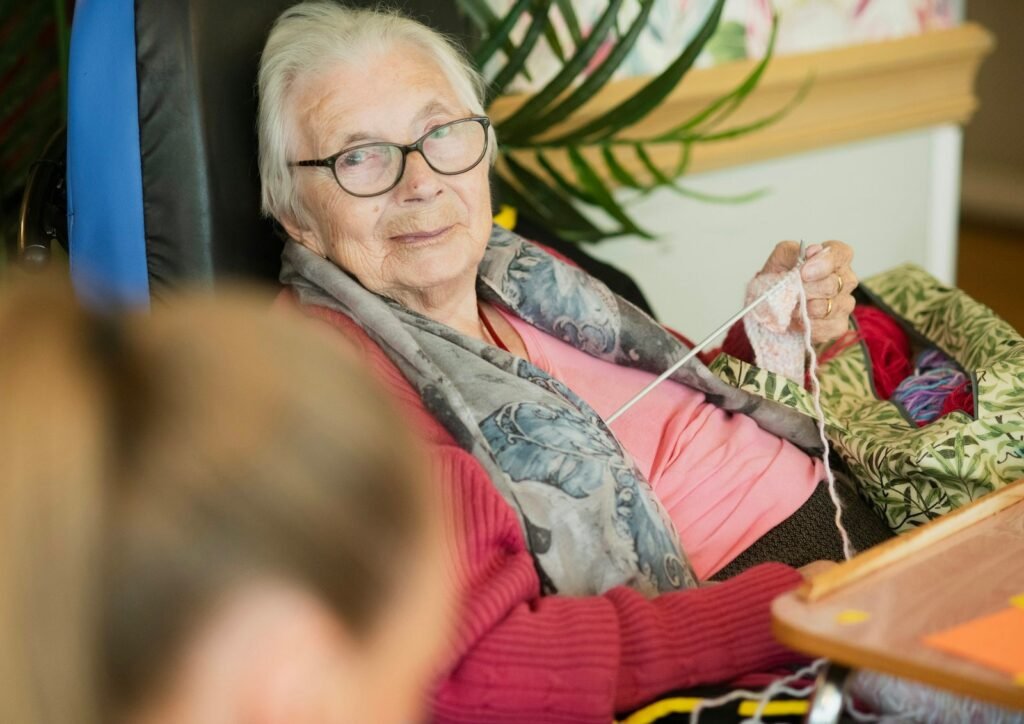
Home care services help people stay safe, connected and independent in the place they know best. At Thriving Care Services, we support older adults, people living with long-term conditions and their families with companionship, transport and escort support from our base in Barking.
Explore our home care services below, see how they compare with care homes and find the right support for your family.
Home care, also called domiciliary care, means trained support workers visit a person at home to help with everyday needs. The aim is to keep daily life familiar rather than move someone into a new setting. You can read a wider overview of home care and how it fits within health and social care.
“
Home is more than a place. It is where comfort, memories and independence live.
Our approach: promote independence, preserve dignity and provide consistent, reliable support.
Our Support
What Home Care Support Do We Provide?
Our services focus on wellbeing, independence and practical everyday help.
Companionship
Companionship and Emotional Support
01
Loneliness can affect mood and health. Our carers offer friendly conversation, shared hobbies and gentle encouragement to stay active.
Transport
Transportation Services
02
We provide safe transport to appointments, shops and community events, so clients can keep their routines.
Escort
Escort Services
03
A carer accompanies clients to GP visits, hospital appointments or important meetings. With consent, we can pass key information back to family members.
Coming soon
Personal Care
04
We are preparing to add support with hygiene, grooming and daily living tasks, always delivered with privacy and dignity. You can join the personal care waitlist today.
Compare Your Options
Home Care vs Care Homes: Which Is Right for You?
Many families begin by searching for “care homes near me” when a loved one needs more help. Before you decide, compare the main options.
What we provide
Home care
The person stays at home, keeps their routines and receives support at agreed times.
Residential care
A care home provides a room, meals and staff on site day and night for people who can no longer live safely alone.
Nursing homes
These care homes also employ registered nurses for people with complex medical needs.
Our Process
How Do We Plan Your Care?
Every plan starts with a conversation. Our person-centred process is simple:
01
Initial chat
We listen to the client and family to understand needs, preferences and goals.
02
Care plan
We agree visit times, tasks and any risks to manage.
03
Matched support
We aim to provide consistent carers so trust can grow.
04
Regular review
We adjust the plan as needs change.
Our team includes a Registered Mental Health Nurse, so we can notice emotional wellbeing concerns early. Where extra guidance would help, our mental health consultation and training service offers confidential assessments.
Support around you
In the home you know best
Who It Is For
Who Can Benefit From Home Care?
Our home care services suit people who want to stay at home with the right support around them.
Older adults who live alone and feel isolated
People recovering after a hospital stay
Adults in the earlier stages of dementia
Families who need cover while they work or take a break
Anyone who has stopped driving but wants to stay active
Is the team fully insured, and are carers trained and background checked?
02
Will the same carers visit regularly?
03
How do they handle missed visits or emergencies?
04
Can family members receive regular updates?
05
Is pricing clear, with no hidden charges?
Getting Ready
Practical Tips Before Home Care Starts
Tip 1
Keep medications, allergies and GP contact details in one place
Tip 2
Share routines, favourite topics and things that cause worry
Tip 3
Remove trip hazards such as loose rugs and trailing cables
Tip 4
Agree how and when family members should receive updates
A tidy, hygienic home also supports safety. Some families pair care visits with our professional home cleaning services to reduce the daily workload.
Getting the Right Support at Home in Barking
Sometimes a person simply needs helping hands home care for a few hours a week to stay confident and connected. Starting early often means more choice later.
Home care can help people in the earlier stages of dementia keep familiar routines and stay socially active. As needs increase, a specialist or residential setting may offer safer support.